
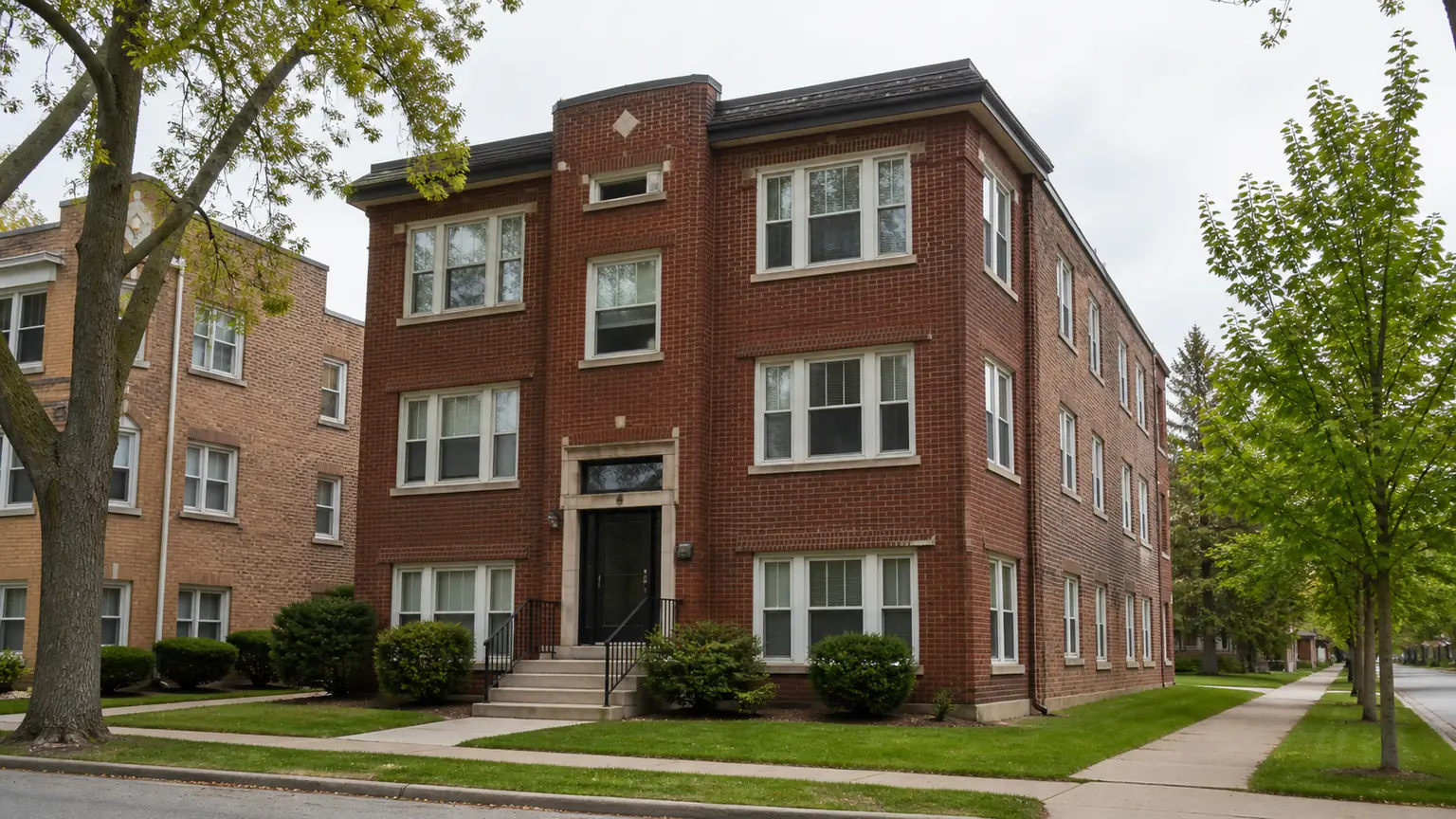
Insulation is most useful when it addresses a documented building condition. It can reduce heat movement through roofs, attics, walls, and other assemblies, but the product and installation method must fit the property.
Start with the comfort pattern
Repeated hot top-floor units, cold perimeter rooms, uneven temperatures, or long equipment run times can justify a closer review. These symptoms can also involve ducts, controls, equipment, ventilation, moisture, or air leakage, so they should not be treated as proof of one solution.
Match the material to the assembly
Fiberglass, cellulose, and spray foam have different uses and limitations. Access, fire and ignition requirements, moisture conditions, wiring, ventilation, and existing materials all affect the choice. Installation quality matters as much as the label on the product.
Document the existing condition
Photos, access notes, approximate coverage, recent roof or HVAC work, and utility information help create a more accurate scope. Diagnostic testing may be included when appropriate for the building and program.
Review the property
Building Energy Experts can review the building conditions and current program path. The review does not confirm property value, savings, eligibility, or funding.