
Multifamily building performance
About Building Energy Experts
- Property first
- Human review
- Clear next step
Building Energy Experts is a multifamily building performance company based in Crystal Lake, Illinois. We assess, air seal, insulate, and weatherize buildings with three or more units across Chicagoland and northern Illinois. This page is the plain version: why the company exists, how we behave inside an occupied building, what you receive at the end, and when we are the wrong call. If you want the technical detail on a single scope, the service pages carry that.
Why we started, and what has not changed
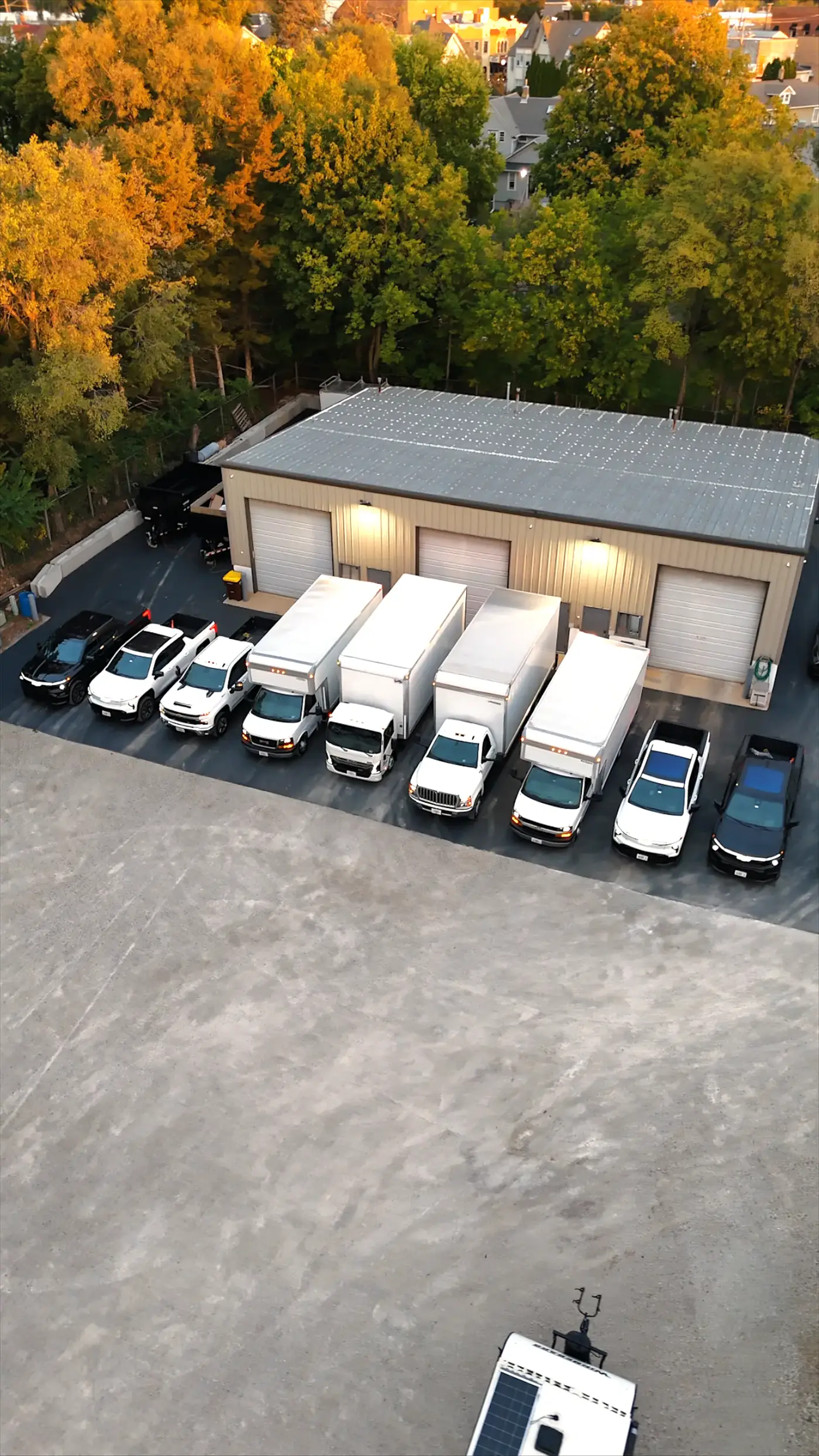
With gas and electricity costs escalating, owners, property managers, and building and business owners are tasked with protecting their own bottom line as well as that of their tenants. We started Building Energy Experts to help make the buildings of the greater Crystal Lake area more comfortable, more energy efficient, and more sustainable.
A decade and a half later, that is still the job. The work has narrowed to multifamily, the diagnostic tools have gotten better, and the utility programs have changed several times over. The reason has not moved. We do not cut corners. We seal them. We work out of Crystal Lake and West Dundee. The Crystal Lake office is at 69 E Crystal Lake Ave, open Monday through Friday, and the phone number is (888) 623-3769.
Three or more units is where we start
Our minimum is three units, and it is a real policy rather than a preference. Buildings at that size and above do not behave like houses. Warm air stacks up the stairwells and pushes out through the top of the building. One boiler or one meter often serves people with very different schedules and very different tolerances for a cold room. Access has to be arranged around residents who did not ask for a project.
Utility program rules are written around unit counts, occupancy, and income qualification, so the file for a 24 unit courtyard building has almost nothing in common with the file for a single family attic. Staying in that lane is how we keep the field crews and the program filings from drifting apart.
We document the work that was approved and completed
The project record identifies the approved scope, the work completed, and the closeout information available for the property. That can include photographs, material or equipment records, program forms, and diagnostic results when testing was required and performed.
Blower-door testing and thermal imaging may be useful on some projects, but they are selected according to the building, occupancy, safety conditions, approved scope, and applicable program requirements. We do not present either test as a universal step.
The paperwork. We file it.
This is the step that stalls most owners and it is the step we take off your desk. We are an authorized contractor for the ComEd, Nicor Gas, Peoples Gas, and North Shore Gas energy efficiency programs.
Most Illinois utility programs require pre-approval before any work begins, which means the sequence matters more than the speed. We handle the application, the supporting documentation, the program inspection scheduling, and the final submission. What you supply is building information, utility account details, and a signature where the program requires one from the owner. Whether a property qualifies, and for how much, is settled by the program after a property-specific review, not by us and not by this page.
What working with Building Energy Experts looks like in an occupied building
Almost everything we do happens while people are living there, and that shapes the whole job.
The assessment is one scheduled visit. Install length depends on the scope and the size of the building, and you get the schedule in writing before anyone shows up. Crews work from attics, basements, crawl spaces, and common areas wherever the assembly allows, which holds unit entries to what the scope actually requires. Where we do need to be inside a unit, we tell you which units and on which days, so notice goes out on your timeline instead of ours.
- A single point of contact who can answer access questions during the workday
- Tenant notice, which has to come from the owner or the management company, not from us
- Access to attics, basements, crawl spaces, mechanical rooms, and the electrical panel
- Twelve months of utility bills for the assessment, plus the utility account information for the program filing
- Somewhere for a work truck to park near the entry door we are testing
What we will and will not claim
Every credential we list on this site came through a real authorization process, and the list is short on purpose: authorized contractor for the ComEd, Nicor Gas, Peoples Gas, and North Shore Gas energy efficiency programs. We do not list anything we cannot show paperwork for, and we will send the documentation if you ask for it before you sign anything.
Two things we will not tell you over the phone or on a web page. The first is a yes or a no on eligibility. That answer depends on the program, the address, the building, and the rules in force that year, and it is settled by a property-specific review. The second is what you are going to save. We can tell you what the assessment measured, what the scope addresses, and what the program covers for qualifying properties. A savings number invented before anyone has been in your basement is worth nothing to you.
When we are the wrong call
Publishing this probably costs us work and it is still worth publishing. There are buildings we are not the right answer for.
- Single family homes and one or two unit buildings. Our crews, our program authorizations, and our scheduling are all built around three or more units.
- A building with an active water leak, a failing roof, or knob and tube wiring. Insulating over an unresolved moisture or safety problem makes it worse and hides it. Resolve that first, then call us.
- A comfort complaint that is really a broken or badly balanced heating system. If the boiler or the distribution is the problem, envelope work will not rescue it, though it usually belongs in the plan right after.
- A job that has to start next week. Program pre-approval takes time. If your timeline cannot move, a contractor working outside the program may be faster, and you should know that before you wait on us.
- A property outside our service area. We work across Chicagoland and northern Illinois, and we will say plainly if an address is beyond where our crews run.
Common questions
What kind of buildings does Building Energy Experts work on?
Multifamily properties with three or more units in Chicagoland and northern Illinois. That includes apartment buildings, courtyard buildings, condo and HOA properties, and income-eligible housing. Single family work is outside what we take on.
Do you subcontract the work?
Building Energy Experts remains responsible for coordinating the approved scope and closeout documentation. Depending on the work, the project team may include Building Energy Experts personnel or qualified trade partners.
What does it cost to have you look at my building?
The assessment is offered at no cost for qualifying properties. Whether the upgrade work that follows carries any owner cost depends on the program and the address. You get that in writing in the report before you commit to anything.
Which utility programs are you authorized for?
We are an authorized contractor for the ComEd, Nicor Gas, Peoples Gas, and North Shore Gas energy efficiency programs. Being an authorized contractor is not the same as your building being approved. Approval comes from a property-specific review by the program.
Do tenants have to be home, or move out?
This is occupied-building work, so residents stay in place. Much of the work happens in attics, basements, crawl spaces, and common areas. Where a unit entry is required, we give you the unit list and the dates in advance so you can send notice on your own schedule.
How do I know the work actually changed anything?
The closeout file documents the approved scope and available evidence of the work performed. When comparable diagnostic testing is required and included, those results are documented too. The verification method depends on the property, measures, and program requirements.
Next step
See what may apply to your building
A property-specific review is the only way to know which programs fit your address.