
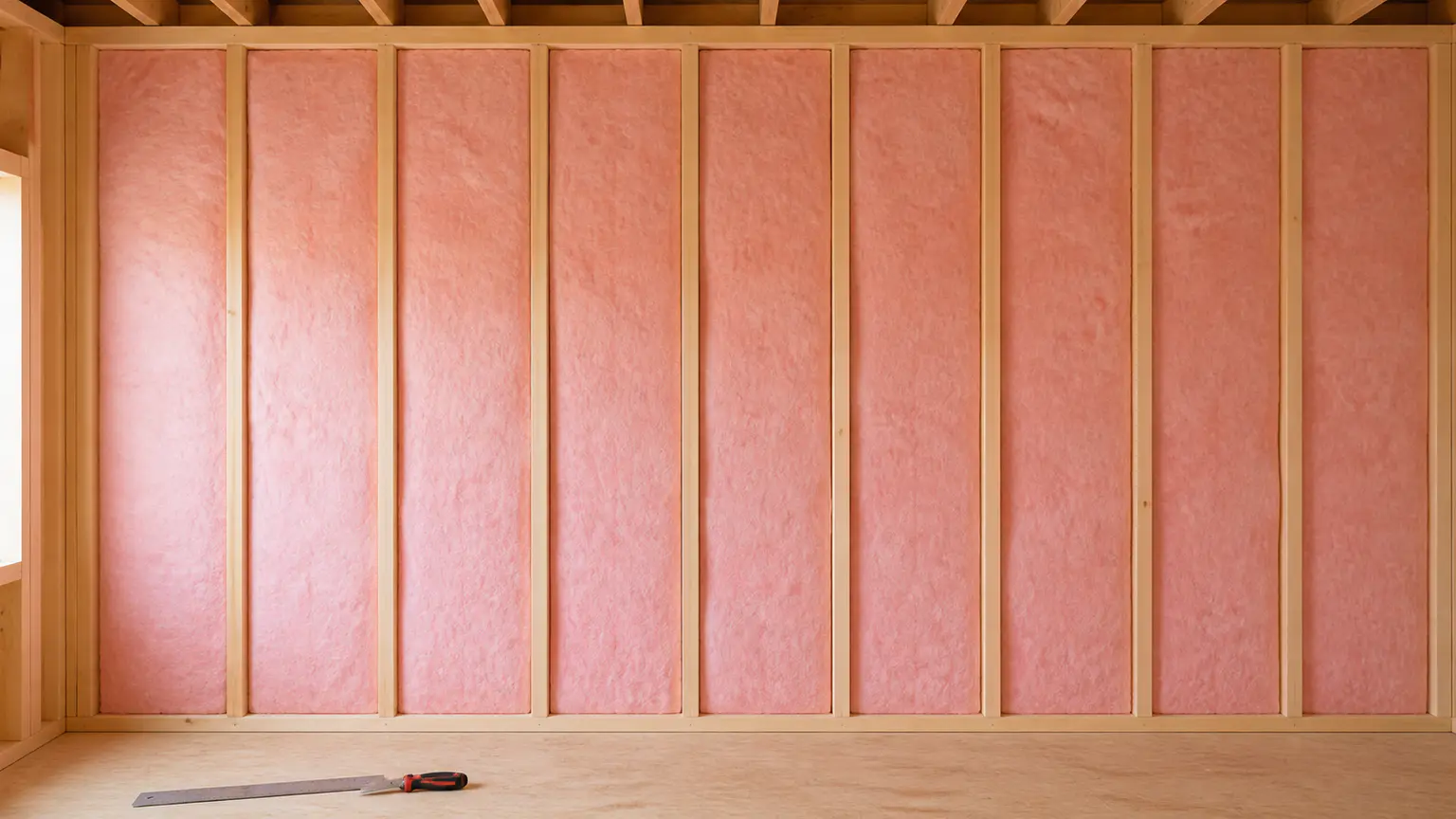
Insulation can support indoor comfort when it is selected for the assembly and installed with the surrounding air, moisture, and safety conditions in mind. The product name alone does not determine performance.
Start with the assembly
Attics, rooflines, walls, rim areas, floors, and mechanical spaces have different access and control-layer needs. Before choosing a material, document what is already present, where the thermal boundary belongs, and what wiring, flues, ducts, ventilation, or moisture conditions must be protected.
Understand the common material families
- Fiberglass: available as batts or loose fill and sensitive to gaps, compression, and installation detail.
- Cellulose: loose-fill or dense-pack material that can fit some attic and cavity scopes when coverage, density, clearances, and moisture are addressed.
- Spray foam: can provide insulation and air-control functions in selected assemblies, but product type, thickness, ignition or thermal protection, ventilation, and manufacturer requirements matter.
Review air movement and ventilation
Insulation does not automatically stop uncontrolled airflow. Air sealing may be part of the scope, but openings around combustion equipment, fire-rated assemblies, ventilation paths, and other safety-critical locations require appropriate materials and qualified review.
Build a property-specific plan
Building Energy Experts can review the property conditions and current program questions. A review does not promise savings, eligibility, incentive amounts, or funding.